
Private
Pilot

Drone
Pilot

Aircraft
Mechanic

Air Traffic
Controller

Become a Private Pilot
Becoming a Private Pilot can be the most challenging and rewarding experiences of your life. It can lead to many years of flying for fun or serve as the first step toward a rewarding career in commercial aviation. Below are the FAA requirements in order to become a Private Pilot.
To become a private pilot you must…
- Be at least 17 years of age
- Be able to read, speak, write and understand English
- Obtain an FAA Tracking Number (FTN) by creating an Integrated Airman Certification and Rating Application (IACRA) profile prior to registering for a knowledge test.
- CLICK HERE to create an IACRA profile
- Hold a U.S. student pilot certificate, sport pilot certificate, or recreational pilot certificate
- CLICK HERE for student pilot certificate requirements
- Receive flight training and a logbook endorsement from a Certified Flight Instructor (CFI)
- Meet the aeronautical experience requirements for the aircraft rating sought
- Schedule an appointment with a FAA-approved Knowledge Testing Center
- Be sure to bring a government-issued photo ID to your test
- CLICK HERE to schedule appointment for written knowledge exam
- Pass the required aeronautical knowledge exam (written exam)
- Pass the required practical exam (oral exam and practical exam)
Expand for more resources and contacts
Learn to Fly – Airplane
Rutland-Southern Vermont Regional Airport (KRUT)
Green Mountain Flight Training
PO Box 188
North Clarendon, VT 05759
802-379-7089
training@vtflightschool.com
www.vtflightschool.com
Burlington International Airport (KBTV)
Vermont Flight Academy
355 Valley Road
South Burlington, VT 05403
803-863-5988
office@flyvfa.org
www.flyvfa.org
Green Mountain Flight Academy
159 Catamount Drive
Milton, VT 05468
802-893-1003
tina@mansfieldheliflight.com www.greenmountainflightacademy.org
Franklin County Airport (KFSO)
Fly Vermont LLC
802-868-5633
george.coy@gmail.com
Learn to Fly Vermont
629 Airport Road
Swanton, VT 05488
802-324-0326
www.learntoflyvt.com
Vermont Flight Instruction
802-922-8159
joew747@gmail.com
Northeast Kingdom International Airport (KEFK)
Lakeview Aviation Inc.
2628 Airport Road
Newport, VT 05855
802-334-5001 office
802-673-8935 mobile
paulvajda.cfi@gmail.com
www.lakeviewaviation.com
Learn to Fly – Helicopter
Mansfield Heliflight
159 Catamount Drive
Milton, VT 05468
802-893-1003
tina@mansfieldheliflight.com www.greenmountainflightacademy.org
Learn to Fly – Glider
Hartness State Airport (KVSF)
New England Soaring Association
15 Airport Road
North Springfield, VT 05150
802-353-8966
info@flynesa.com
www.flynesa.com
Warren-Sugarbush Airport (0B7)
Sugarbush Soaring
P.O. Box 123
2355 Airport Road
Warren, VT 05674
802-496-2290
soar@sugarbushsoaring.com
www.sugarbushsoaring.com
Learn to Fly – Paraglider
Parafly ParaGliding
204 Cobble Hill Road
Milton, VT 05468
802-879-3507
paraflypg@comcast.net
www.paraflypg.com
Learn to Fly – Skydiving
Vermont Skydiving Adventures
4369 Vt Route 17 W
West Addison, VT 05491
802-759-3483
www.vtskydiving.com
Skydive Vermont
Franklin County Airport
629 Airport Road
Swanton, VT 05488
802-309-8067
skydive@maloneparachuteclub.com
www.skydive-vermont.com

Become a Remote Pilot
(Drone Pilot)
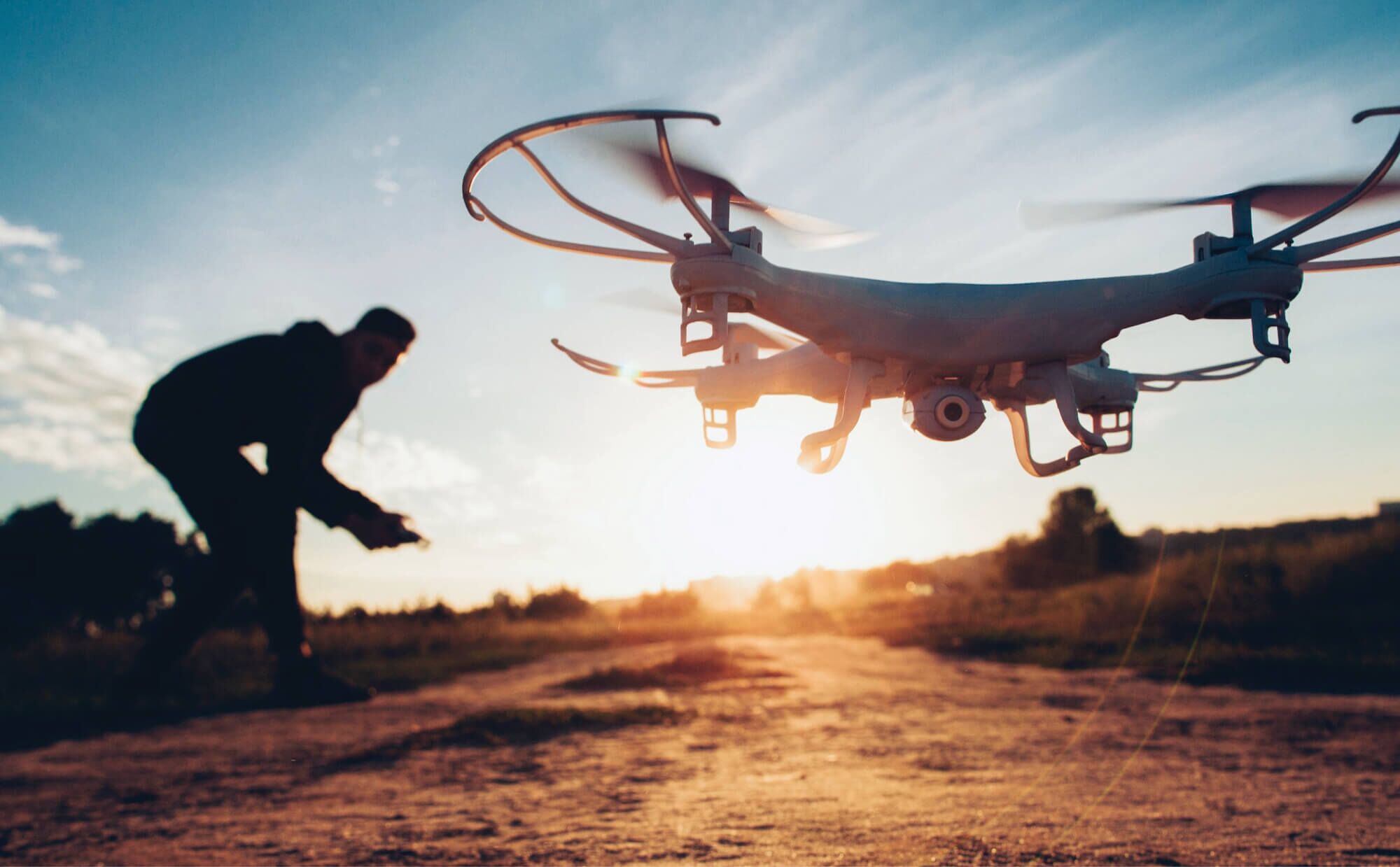
Becoming a Remote Pilot (i.e., drone pilot) is an exciting and evolving field that requires learning how to fly UAS (unmanned aircraft systems). UAS are constantly and rapidly evolving with new technologies coming to market on a frequent basis. Remote pilots are in high demand for work in real estate, energy, construction, filmmaking, public safety, law enforcement, insurance, journalism, agriculture, transportation, telecommunications, and more. Below are the FAA requirements in order to become a Remote Pilot.
To become a Remote Pilot, you must…
- Be at least 16 years old
- Be able to read, speak, write, and understand English
- Be in a physical and mental condition to safely fly a drone
- Obtain an FAA Tracking Number (FTN) by creating an Integrated Airman Certification and Rating Application (IACRA) profile prior to registering for a knowledge test.
- CLICK HERE to create an IACRA profile
- CLICK HERE to schedule appointment for knowledge exam
- Pass the initial aeronautical knowledge exam:
“Unmanned Aircraft General – Small (UAG)”

Become an Aircraft Mechanic
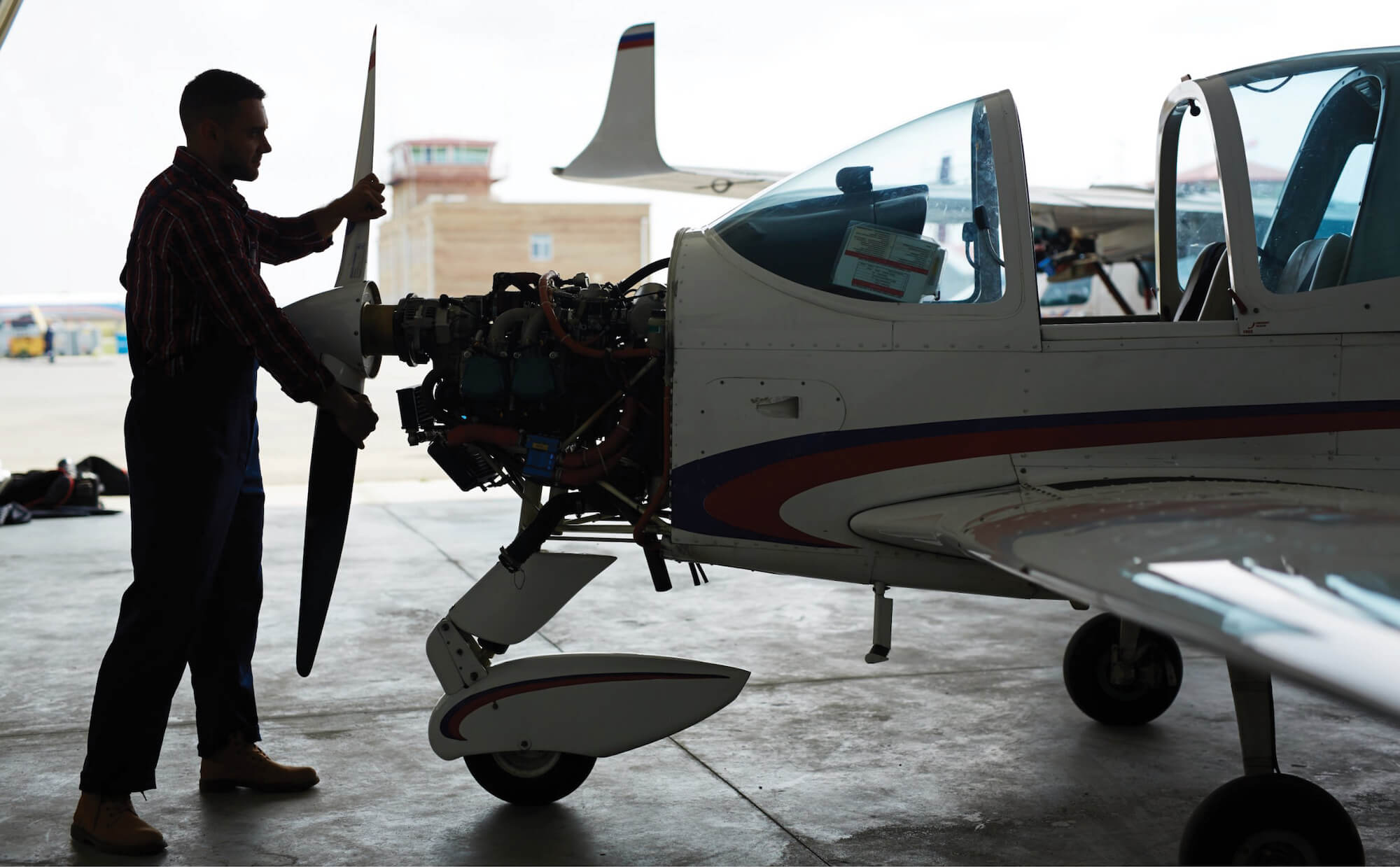
Becoming an Aviation Mechanic is a rewarding career that includes learning how to maintain different types of aircraft (airplanes, jets, helicopters, electric powered aircraft, etc.) and technologies (advanced avionics systems, glass cockpits, aircraft parachute systems, liquid cooled etc.). Careers in aircraft maintenance are in high demand, second only to pilots. Below are the paths becoming an Aviation Mechanic.
There are two ways you may obtain the training and experience necessary to become an FAA-certificated Airframe and/or Powerplant Mechanic:

Academic training through an FAA-certificated Aviation Maintenance Technician School (AMTS)

On-the-job training (OJT)
Once you meet the OJT experience requirements, there are commercially available A&P refresher courses and A&P prep courses that will help prepare you to pass the airman knowledge written, oral, and practical tests.
The Burlington Technical Center is the FAA-certificated Aviation Maintenance Technician School (AMTS) in Vermont.

52 Institute Road
Burlington, VT 05408
802.864.1799 | jcooper@bsdvt.org

Become an Air Traffic Controller
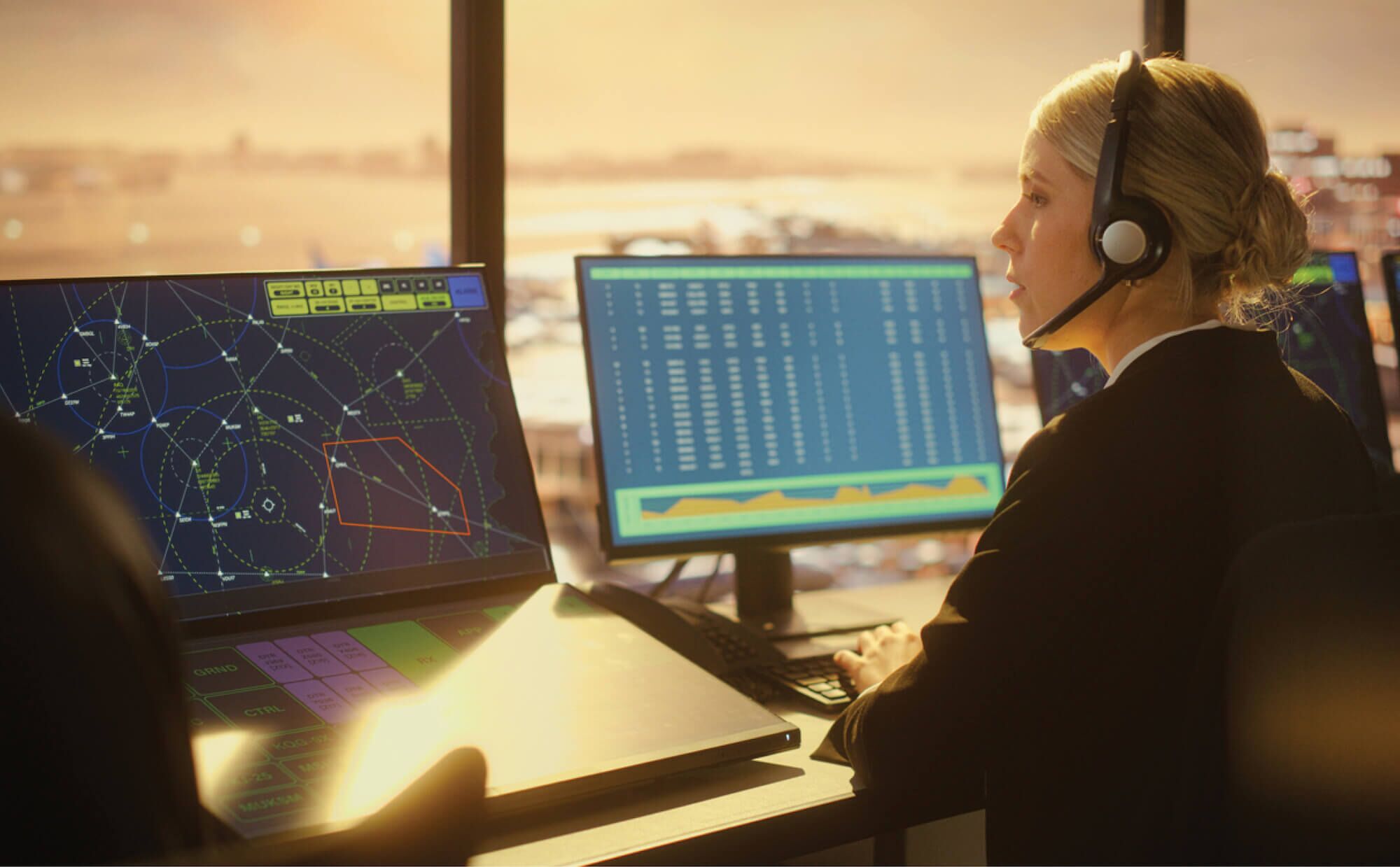
Becoming an Air Traffic Controller is a challenging task requiring extensive training and testing and it is ranked as one of the most stressful jobs in the United States. However, Air Traffic Controllers will also tell you that the job is very rewarding and satisfying, with a median annual wage of $138,556 for air traffic control specialists in 2021. Below are the FAA requirements to become an Air Traffic Controller.
To become an Air Traffic Controller, you must…
- Be a United States citizen
- Be age 30 or under (on the closing date of the application period)
- Pass a medical examination
- Pass a security examination
- Pass the FAA air traffic pre-employment test
- Speak English clearly enough to be understood over communications equipment
- Have three years of progressively responsible work experience, or a Bachelor’s degree, or a combination of post-secondary education and work experience that totals three years
- Be willing to relocate to an FAA facility based on agency staffing needs



Vermont Aviators Association
Non-profit 501(c)(3) organization focused on aviation education, safety & training
802.238.6035
vermontaviators@gmail.com
GIVE US A FOLLOW
COPYRIGHT 2022 Vermont Aviators Association
BRANDING AND WEBSITE BY 12POINT